Surgery

Our animal hospital was designed and built with one goal in mind: to provide the best possible care to pets. Every decision, from the layout of our treatment areas to the equipment we invested in, was made with a patient in mind.
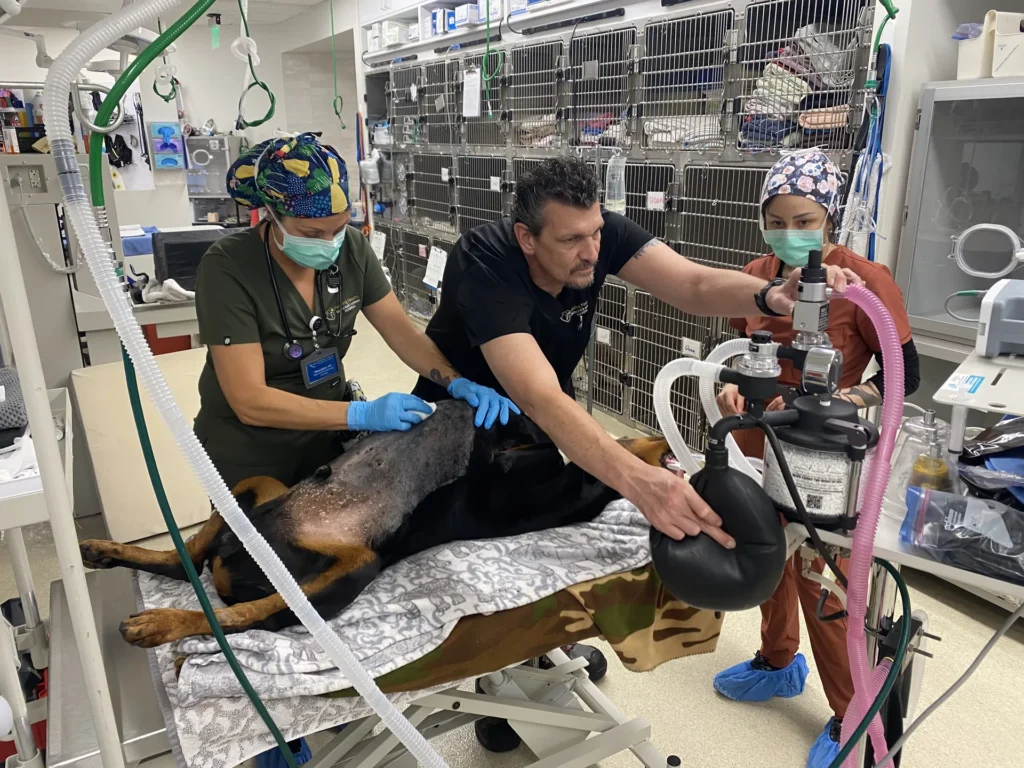
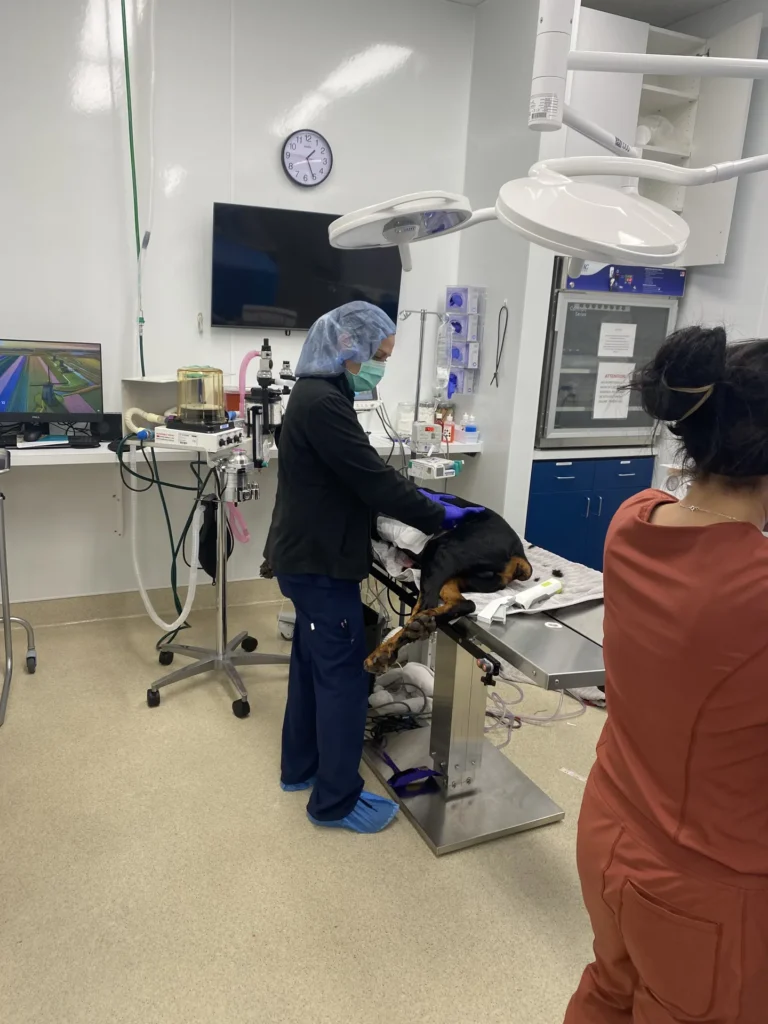
At Healing Hearts, we have purpose-built a state-of-the-art surgical suite equipped to handle a wide range of surgeries, including orthopedic, soft tissue, oncologic, and emergency surgeries.
However, trusted hands are what make all the difference. We are happy to partner with Dr Sady Cabrera, DVM, Dipl ACVS, and Dr Sebastian Mejia, DVM, Dipl ACVS, for all orthopedic cases and more complex surgical cases. Our partners, along with our highly trained and experienced technicians, perform a wide variety of advanced surgical procedures on dogs and cats.
The Experience
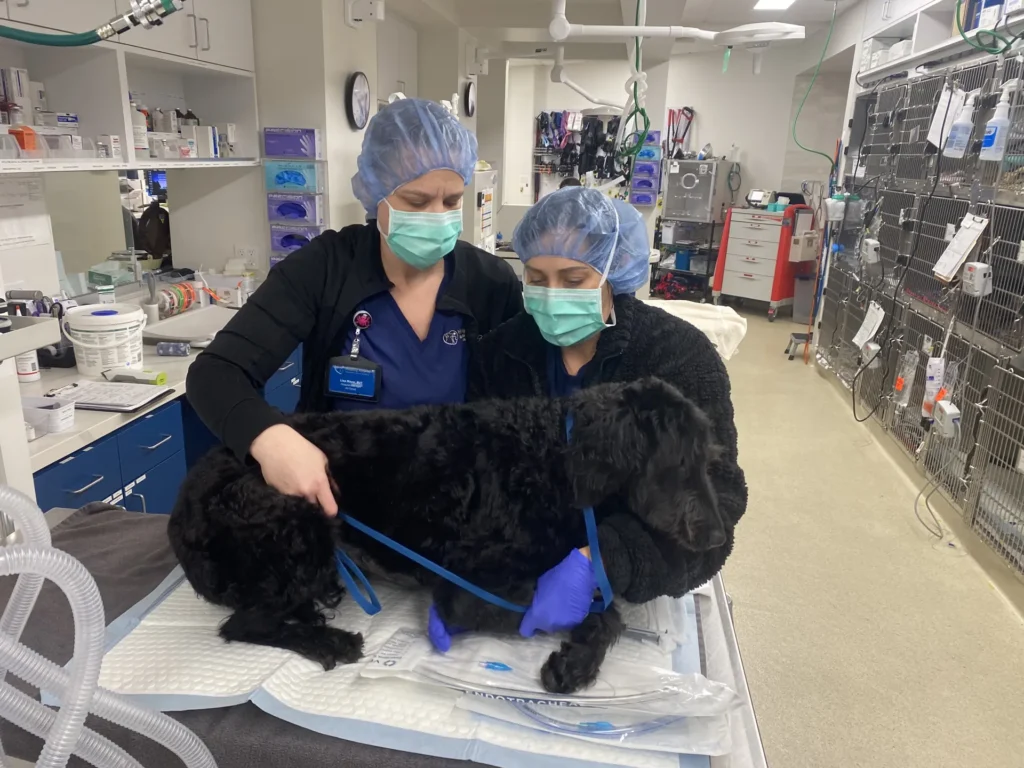
We understand that surgery can be an experience that causes pets and their caregivers to feel nervous or scared. We also understand the deep trust it takes to hand your pet over for surgery, especially in an emergency. We don’t take that trust lightly. Our priority is to ensure everyone involved feels comforted, educated, and prepared.
From the moment your pet is admitted, our team is focused not just on the procedure itself, but on making the entire experience as safe, smooth, and comforting as possible. We’ll walk you through what to expect, answer your questions, and keep you updated every step of the way. Our skilled veterinary team will closely monitor your pet before, during, and after surgery. Pain management and comfort are never an afterthought. They’re essential parts of our care.
What is multimodal anesthesia, and why does it matter to me and my pet?
Multimodal anesthesia means we use a combination of different medications to safely sedate your pet for surgery. Each medicine does something a little different, like helping your pet relax, fall asleep, stay asleep, and feel less pain.
Using several smaller doses (instead of a lot of just one medication) helps keep your pet more comfortable and reduces the chances of side effects.
It’s safer. Lower doses of each drug mean fewer risks during surgery.
- It works better. Each medication supports the others for stronger, more balanced care.
- Pets wake up more gently. Less confusion or discomfort when they recover.
- It’s easier on older or sick pets. Safer for pets with other health issues.
- We can adjust it in real-time. Our team can make changes during surgery if your pet needs it.
What is comprehensive pain management, and why does it matter to me and my pet?
Uncontrolled pain can delay healing, suppress appetite, cause anxiety, and even affect the heart and immune system. Managing pain proactively helps your pet heal faster and feel better.
- You can see the difference. Pets who receive comprehensive pain management are more likely to eat, rest comfortably, and return to their usual selves sooner.
- It’s compassionate care. Pet caregivers want to know that their animal is not suffering, especially since pets are not quick to communicate pain. By managing their pain proactively, we can think ahead instead of reacting after our pets experience uncontrolled pain.
Surgeries We Perform
Emergency Surgery
Emergency surgery is performed when a pet’s life or health is in immediate danger and treatment cannot wait. These surgeries are often the result of sudden trauma, critical illness, or serious internal conditions that require urgent intervention.
Oncologic Surgery
Surgical oncology involves the removal of cancerous tumors or masses through surgery. A large percentage of solid tumors can be cured with surgery alone, especially when removed early and with wide, clean margins.
Orthopedic Surgery
Orthopedic surgery helps pets move better, feel better, and live more comfortably. It involves procedures on your pet’s bones, joints, muscles, tendons, and ligaments. These surgeries are often needed to treat injuries or long-term joint problems. The goal is to reduce pain, restore movement and stability, and help your pet get back to doing the things they love.
- TPLO (Tibial Plateau Leveling Osteotomy)
This advanced procedure changes the angle of the knee joint to stabilize it after a cranial cruciate ligament (CCL) tear, similar to an ACL injury in people. It’s often recommended for larger or very active dogs. - Extracapsular Repair (Lateral Suture Technique)
A less invasive option that uses a strong suture placed outside the joint to restore knee stability. This is typically used in small to medium-sized dogs or pets who may not be ideal candidates for TPLO. - Medial Patellar Luxation (Unstable Kneecap) Repair:
This surgery helps stabilize a kneecap that slips out of place, which can cause pain, limping, or skipping steps, especially in small-breed dogs. - Fracture Repair
Broken bones are treated using pins, plates, or other surgical techniques to help them heal properly and restore normal function. - Joint Luxation (Joint Dislocation) Repair
When a joint is forced out of place due to trauma or injury, surgery may be needed to realign and stabilize it to prevent long-term damage or pain. - Osteoarthritis Management
Soft Tissue Surgery
Soft tissue surgery involves procedures on a pet’s internal organs, skin, muscles, and connective tissues. These surgeries are commonly performed to treat conditions like tumors or growths, severe wounds, gastrointestinal blockages, and bladder or abdominal issues. Whether it’s an urgent problem or part of a long-term treatment plan, soft tissue surgery helps improve comfort, restore function, and support your pet’s overall health.
- Wound Management
- BOAS (Brachycephalic Obstructive Airway Syndrome)
A common condition in brachycephalic breeds (English and French Bulldogs, pugs, Boston Terriers). - Arytenoid Lateralization (Tie-back)
A procedure performed to treat laryngeal paralysis. - TECA (Total Ear Canal Ablation)
Surgical procedure to treat chronic ear conditions. - Salivary Sialocele
- Thoracic Surgeries:
Airway, lung, chest wall, pericardium - Oncologic Soft Tissue Surgeries:
Removal of tumors, amputations, reconstructive surgeries, skin grafts - Abdominal Surgeries:
Gastrointestinal, liver (including extrahepatic liver shunts), spleen, adrenal gland, biliary tract, urinary tract, reproductive tract (pyometra, c-section, testicular tumors, penile amputation) - Mastectomy
- Body Wall Reconstruction