
The Veterinary Medical Oath is an oath all veterinarians swear to at their graduation. This oath is a promise that guides veterinarians throughout their entire careers, not just on graduation day.
“Being admitted to the profession of veterinary medicine, I solemnly swear to use my scientific knowledge and skills for the benefit of society through the protection of animal welfare, the prevention and relief of animal suffering, the conservation of animal resources, the promotion of public health, and the advancement of medical knowledge.
I will practice my profession conscientiously with dignity and in keeping with the principles of veterinary ethics. I accept as a lifelong obligation the continual improvement of my professional knowledge and competence.”
We all swore this oath at graduation. This is the foundation of why veterinarians do what they do: every patient, every decision, every day.
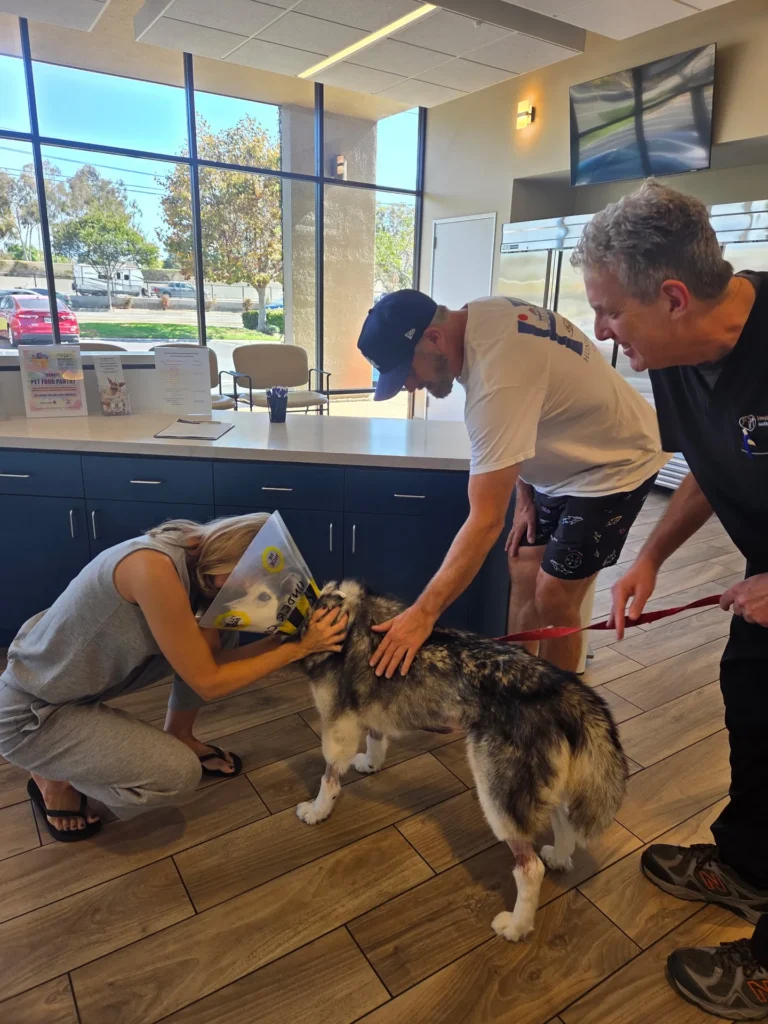
At the start of this year, I saw a patient that I had not seen for several years. He had presented to our hospital in a critical state with an Addisonian Crisis. We saw the patient and his dedicated family again at the start of this year with aspiration pneumonia after vomiting, but overall looking much better. The owner spoke to us about how we had saved her dog’s life and how meaningful it was to her that we took the time to help her understand and commit to providing lifelong care for her dog, which led to such a great recovery.
This touched me deeply and made me reflect on our core values and what they mean. In veterinary medicine, we talk about M&M rounds. This is not about a bunch of doctors eating candy during rounds, but it is a serious discussion of how we can reduce morbidity and mortality. Mortality is exactly what it sounds like, and is something everyone would like to see reduced. Morbidity refers to signs of illness and complications that can develop. I have always embraced this concept. In my early years, I spent hours going over books, journals, and conference proceedings to see what I could do to better manage the cases I had seen on emergency presentations. I have never stopped learning and never will. Our knowledge in human and veterinary medicine continues to grow, and we must always be committed to lifelong learning. I spent hours after shifts in multispecialty environments learning from others and developed a strong bond with all of the specialists in our community.
With all of this commitment and effort, I believe that improving the care provided within our hospital and with our hospital team is not enough. Communication with owners of these pets is very important. The more they understand their pets’ medical problems, the better they will be able to recognize when and why to bring them in when complications arise with a chronic medical condition. So, the owner is the first to respond when medical conditions arise. From there, our team must be trained, and we must strive to improve communication between all staff members in the hospital, including reception, technicians, doctors, and more. The final step is improving communication with all veterinarians in the community, including primary health care providers and all specialists in the community that these patients may see. Everyone, from the pet’s owners to the staff and veterinarians in the community, is passionate about providing the best care.
I believe that with collaboration, communication, and the commitment and compassion to equip all of these people involved in the treatment of our patients, we can make a bigger impact on the reduction of morbidity and mortality than any other efforts that are made. Every patient has a history. By sharing records and taking the time to talk with our clients, providing thorough records, and, if possible, taking time for direct contact with rounds with the veterinarian who will be managing these patients, we can make a difference as a community. Compassion, Commitment, Community, and Collaboration. These were the core standards of our hospital. I share these values with all of my staff and would like to share them with everyone in the community.
Every pet has a history, and every pet has a story. I would like to see a future when we are better able to share records. Many of us have had experiences being admitted to a hospital ourselves and understand how frustrating it can be when someone at the hospital does not know our medical history. Understanding if pets have periodontal disease, chronic skin conditions, or are on immune-modulating medications for management of allergic dermatitis, such as Apoquel and Cytopoint, can help us reduce surgical site infections (especially with plate implants or other implants). Emergency doctors could provide better care, reduce fees by not repeating diagnostics that had already been performed, and reduce risks for complications of problems by understanding what medical conditions a pet has. Undoubtedly, we would have fewer profits by providing more streamlined care; however, I believe that all of the veterinarians and staff in our community are very compassionate and committed to seeing our patients go home and continue to thrive. Remember the Veterinarian’s Oath that we all took, and let’s make an effort to grow together as a community.
—Dr. Bob Berschauer, Owner and Founder of Healing Hearts Emergency Animal Hospital